Discover the Hidden Psychology That Makes Native Ads Feel Natural—And Why They Work So Well
It sneaks in quietly.
Not with flashing banners. Not with pop-ups that chase you around the page. A native ad doesn’t announce itself with a trumpet blast. It doesn’t have to. Instead, it feels like part of the story you were already reading. You lean in, curious. And before long, you realize you’re learning about a brand—without ever feeling like someone’s selling to you.
That’s the magic.
What Exactly Is a Native Ad?
At its core, a native ad is advertising that blends into the environment around it. It could be a sponsored article in your favorite online publication. A promoted post on your social feed. A “recommended story” at the end of a news article.
But it’s not about trickery. The best native ads don’t fool people into thinking they’re editorial. Instead, they borrow the format, the voice, and the rhythm of the surrounding content. They give the reader value first—through insight, entertainment, or relevance—and only then reveal the brand behind it.
The Psychology Behind the Seamless Fit
So why do these ads work so well? Psychology offers a few clues:
-
Pattern Matching: Our brains are wired to recognize patterns. When an ad looks like content we already trust, our mental guard lowers. We give it a chance.
-
Storytelling Over Selling: Native ads work because they lead with a story, not a sales pitch. We’ve been trained since childhood to pay attention to stories. They slip past resistance.
-
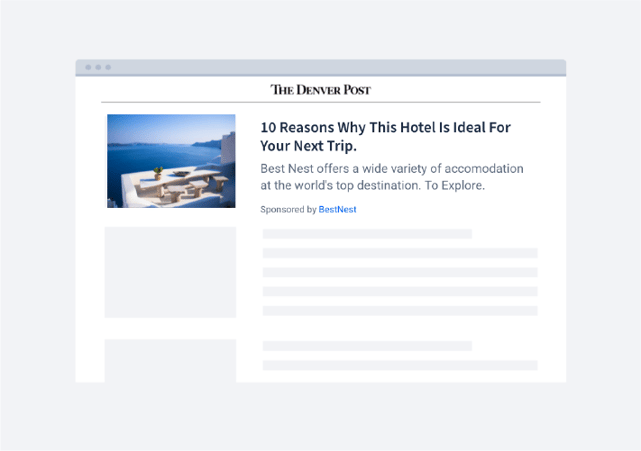
Relevance Equals Reward: The closer the ad is tied to what the reader already cares about, the more natural it feels. A travel brand inside a “10 Best Cities to Visit” article doesn’t jar us. It fits.
In short, native advertising feels less like an interruption and more like an invitation.
Why Brands Keep Coming Back
For brands, the payoff is clear: higher engagement, deeper trust, and audiences who stay longer. Studies show that readers look at native ads 53% more often than display ads. And when done right, native ads can build not just clicks, but credibility.
Because the truth is, people don’t hate advertising. They hate being lied to, shouted at, or ignored as human beings. Native advertising respects the reader’s intelligence. It says: We’ll meet you where you are. We’ll join the conversation you’re already having.
And that—done with care—isn’t just effective. It’s good manners.